Understanding the Role of IBC Tanks in Modern Industries
Industrial bulk containers, commonly known as “ibc“, play a crucial role in the storage and transportation of liquids and bulk materials across various industries. These adaptable containers are essential for businesses seeking efficient and safe ways to handle large volumes of products.
In this article, we will explore the applications, benefits, and key features of IBC tanks, shedding light on why they are indispensable in today’s industrial landscape.
What Are IBC Tanks?
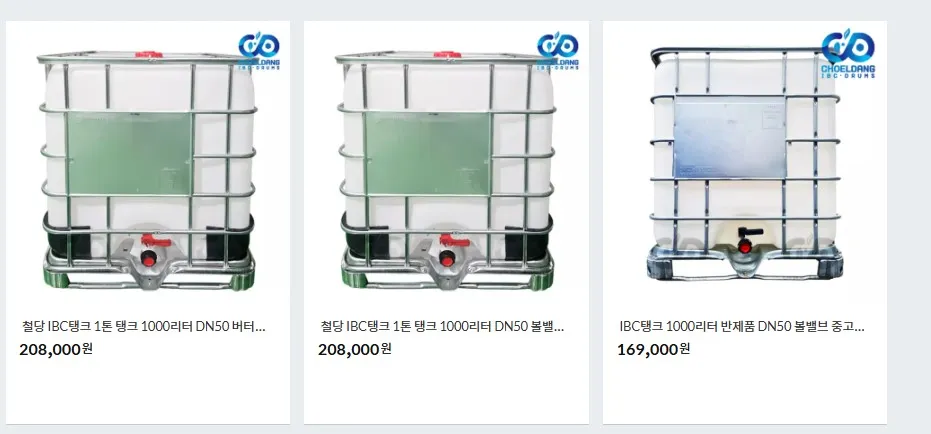
IBC tanks, or intermediate bulk containers, are large, reusable containers designed for the storage and transport of fluids and bulk materials. Typically made from high-density polyethylene or stainless steel, these tanks are known for their durability and versatility.
Industries ranging from agriculture to pharmaceuticals rely on IBC tanks to streamline their operations. Whether it’s storing chemicals, transporting food ingredients, or managing waste, these containers offer a practical solution for a wide array of applications.
Key Features of IBC Tanks
IBC tanks stand out due to their unique attributes. Some of their key features include:
- Capacity: IBC tanks can hold anywhere from 275 to 330 gallons, making them ideal for handling large quantities of materials.
- Stackability: Their design allows for stacking, optimizing storage space in warehouses and during transportation.
- Durability: Made from robust materials, these tanks are resistant to chemical reactions and physical damage.
Applications of IBC Tanks
IBC tanks have a broad range of applications, providing solutions for various industrial needs. Here are some common uses:
| Industry | Application |
|---|---|
| Food and Beverage | Storage and transport of edible oils, syrups, and juices |
| Chemical | Handling of hazardous chemicals and solvents |
| Agriculture | Distribution of fertilizers and pesticides |
The versatility of IBC tanks is evident in their ability to adapt to different materials and conditions, making them a staple in logistics and supply chain management.
Benefits of Using IBC Tanks
The use of IBC tanks offers numerous advantages to businesses:
- Cost Efficiency: Reusable IBC tanks reduce packaging costs and minimize waste, making them an economical choice.
- Environmental Impact: By opting for reusable containers, companies can lower their carbon footprint and contribute to sustainability.
- Safety: These tanks are engineered to meet safety standards, ensuring the secure storage and transport of materials.
Conclusion
IBC tanks are integral to modern industrial operations, offering a reliable and efficient means of handling bulk materials. By understanding their benefits and applications, businesses can make informed decisions about incorporating these versatile containers into their processes.
Consider evaluating your current storage and transportation solutions to see how IBC tanks could enhance your operational efficiency and sustainability efforts. Recognizing their value might just be the key to unlocking new opportunities for growth and innovation.